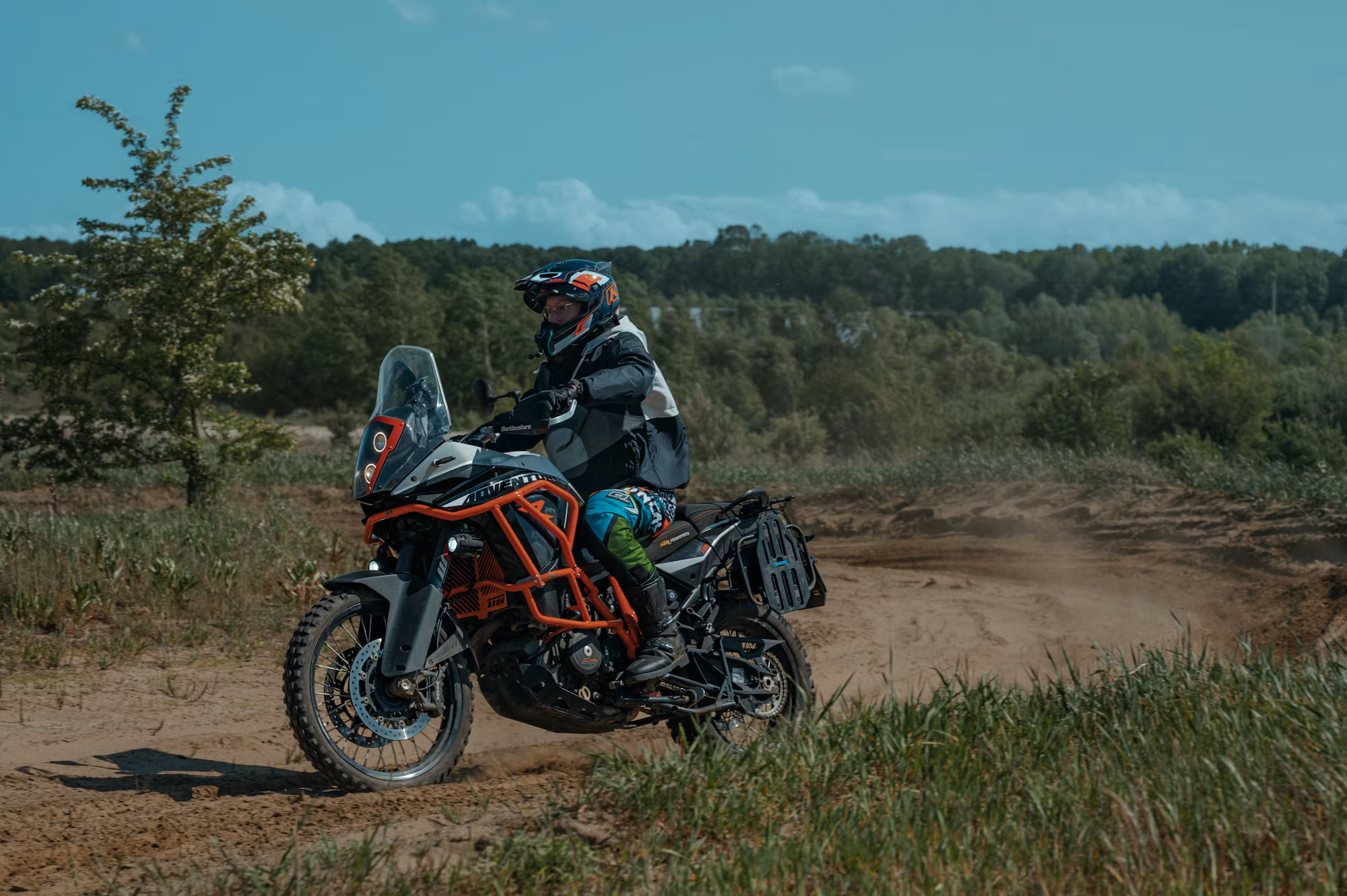
Motorcycling is an exhilarating experience that offers freedom and adventure, but it also comes with its own set of risks. One of the most important ways to protect yourself while riding is by wearing the right gear. Motorcycle gear is designed not only to keep you safe in the event of a crash but also to enhance your comfort, improve your performance, and protect you from the elements. Whether you’re a seasoned rider or a beginner, understanding the different types of gear and their purpose is crucial for a safe and enjoyable ride.
1. The Importance of Safety Gear
Motorcycle accidents, although rare, can result in serious injuries. Protective gear plays a vital role in reducing the severity of injuries in the event of a fall or crash. The right gear is designed to protect the most vulnerable parts of your body, including your head, hands, feet, and body. Aside from protection, quality gear also offers comfort, durability, and weather resistance.
According to statistics, riders who wear appropriate gear, such as a full-face helmet and protective clothing, have significantly higher chances of surviving a crash without serious injuries. In fact, wearing protective gear is one of the most effective ways to reduce the risk of injury and ensure that you enjoy your ride safely.
2. Helmets: The Most Crucial Piece of Gear
The helmet is by far the most critical piece of safety gear for any motorcyclist. It protects your head and brain in the event of a crash, and wearing one is mandatory in many countries. But not all helmets are created equal. There are different types of helmets designed for different riding styles, and choosing the right one is essential for your safety.
– Full-Face Helmets: These helmets provide the most comprehensive protection, covering your entire head, face, and chin. They are ideal for riders who prioritize safety, as they reduce the risk of head, neck, and facial injuries. Full-face helmets are especially popular among sport bike riders, as they offer excellent aerodynamics and wind protection at high speeds.
– Modular Helmets: Modular helmets are similar to full-face helmets, but they come with a chin bar that can be raised, allowing the rider to easily talk or take a breath without removing the entire helmet. They offer flexibility but are not quite as secure as a full-face helmet when the chin bar is raised.
– Open-Face Helmets: Open-face helmets cover the top, back, and sides of the head but leave the face exposed. While they are lighter and more comfortable than full-face helmets, they provide less protection in the event of an accident.
– Half Helmets: These helmets cover only the top of the head and provide minimal protection. While they offer a sense of freedom, they leave the face and chin unprotected, making them a less safe option for riders who prioritize safety.
When choosing a helmet, look for one that meets the safety standards set by organizations like DOT (Department of Transportation) or SNELL. These certifications ensure that the helmet has passed rigorous testing for impact protection, comfort, and durability.
3. Jackets and Riding Suits: Protecting Your Body
While helmets protect your head, it’s equally important to protect the rest of your body. A motorcycle jacket or suit is designed to shield you from abrasions, impacts, and weather elements. There are several factors to consider when choosing a jacket:
– Materials: Motorcycle jackets are usually made from leather, textile (nylon or polyester), or a combination of both. Leather jackets are highly durable and provide excellent abrasion resistance, making them a popular choice for sport and cruiser riders. Textile jackets, on the other hand, are lighter, more breathable, and often come with waterproof coatings, making them suitable for various weather conditions.
– Armor and Padding: Many motorcycle jackets come equipped with armor and padding in the shoulders, elbows, and back to absorb impacts during a fall. Look for jackets that feature CE-rated armor, which ensures a high level of protection. Some high-end jackets also include back protectors, which offer additional safety by covering your spine.
– Ventilation: Riding in hot weather can be uncomfortable, so consider jackets with ventilation features, such as mesh panels or zippered vents, to help cool you down during warm rides.
– Fit and Comfort: A good motorcycle jacket should fit snugly but not too tight. Make sure it allows for a full range of motion and does not restrict your movements. Many jackets also come with adjustable cuffs and waistbands to ensure a secure fit.
4. Gloves: Grip, Comfort, and Protection
Motorcycle gloves are another essential piece of gear that can improve your riding experience. Gloves offer protection for your hands in the event of a fall while also providing better grip and control of the handlebars.
– Leather Gloves: Leather gloves are durable and offer excellent abrasion resistance, making them a popular choice for riders. They are typically more comfortable than synthetic gloves and can conform to your hand over time.
– Textile Gloves: Textile gloves are lighter and more breathable than leather gloves, making them a good choice for warmer weather. However, they tend to offer less abrasion protection than leather, so they might not be the best choice for high-speed riding.
– Winter Gloves: If you plan to ride in colder weather, look for insulated winter gloves designed to keep your hands warm and dry. Many winter gloves come with waterproof membranes and insulation to keep your hands comfortable during long rides in chilly conditions.
Regardless of the material, make sure your gloves fit well and provide a secure grip. Poorly fitting gloves can lead to discomfort and reduced control, especially during long rides.
5. Boots: Comfort, Protection, and Support
Motorcycle boots are specifically designed to protect your feet, ankles, and lower legs from injuries. A good pair of boots will also provide comfort and support, allowing you to ride safely for long periods without discomfort.
– Material: Most motorcycle boots are made from leather or a combination of leather and textile materials. Leather boots provide excellent abrasion resistance and durability, while textile boots are lighter and more breathable, offering more flexibility.
– Protection: Look for boots that feature reinforced toe caps, ankle protection, and shin guards. These features help protect your feet and lower legs from injuries during a crash or impact. Some boots also have sliders on the soles to improve grip and provide additional protection in the event of a fall.
– Comfort: Comfort is key, especially for long rides. Look for boots with a comfortable insole, padded ankle areas, and adjustable straps to ensure a secure fit.
– Weather Resistance: If you plan on riding in wet or cold weather, consider waterproof boots to keep your feet dry and warm.
6. Other Essential Gear
Aside from helmets, jackets, gloves, and boots, there are a few additional pieces of gear that can enhance your safety and comfort:
– Knee and Elbow Guards: Some riders choose to wear additional knee and elbow guards for extra protection. These are especially useful for off-road riding or when riding in areas with high-speed traffic.
– Neck Braces: Neck braces are designed to reduce the risk of neck injuries in the event of a crash. They are commonly used by professional riders but are also available for everyday riders.
– Protective Base Layers: Base layers made from moisture-wicking materials can help keep you dry and comfortable by drawing sweat away from your skin.
– High-Visibility Gear: If you plan to ride at night or in low-visibility conditions, consider investing in high-visibility jackets or reflective vests. These garments increase your visibility to other road users, reducing the risk of accidents.
Conclusion
Motorcycle gear is a crucial component of safe and enjoyable riding. Whether you’re cruising down the highway or tackling rough trails, wearing the proper gear will not only protect you in the event of an accident but also enhance your comfort and riding experience. Always invest in high-quality gear, make sure it fits properly, and ensure it meets safety standards. With the right gear, you can ride with confidence, knowing that you’re well-protected and prepared for any adventure that lies ahead.
Remember, safety comes first—so gear up and ride responsibly!